Why You Get Ingrown Hairs After Waxing — and How to Stop Them
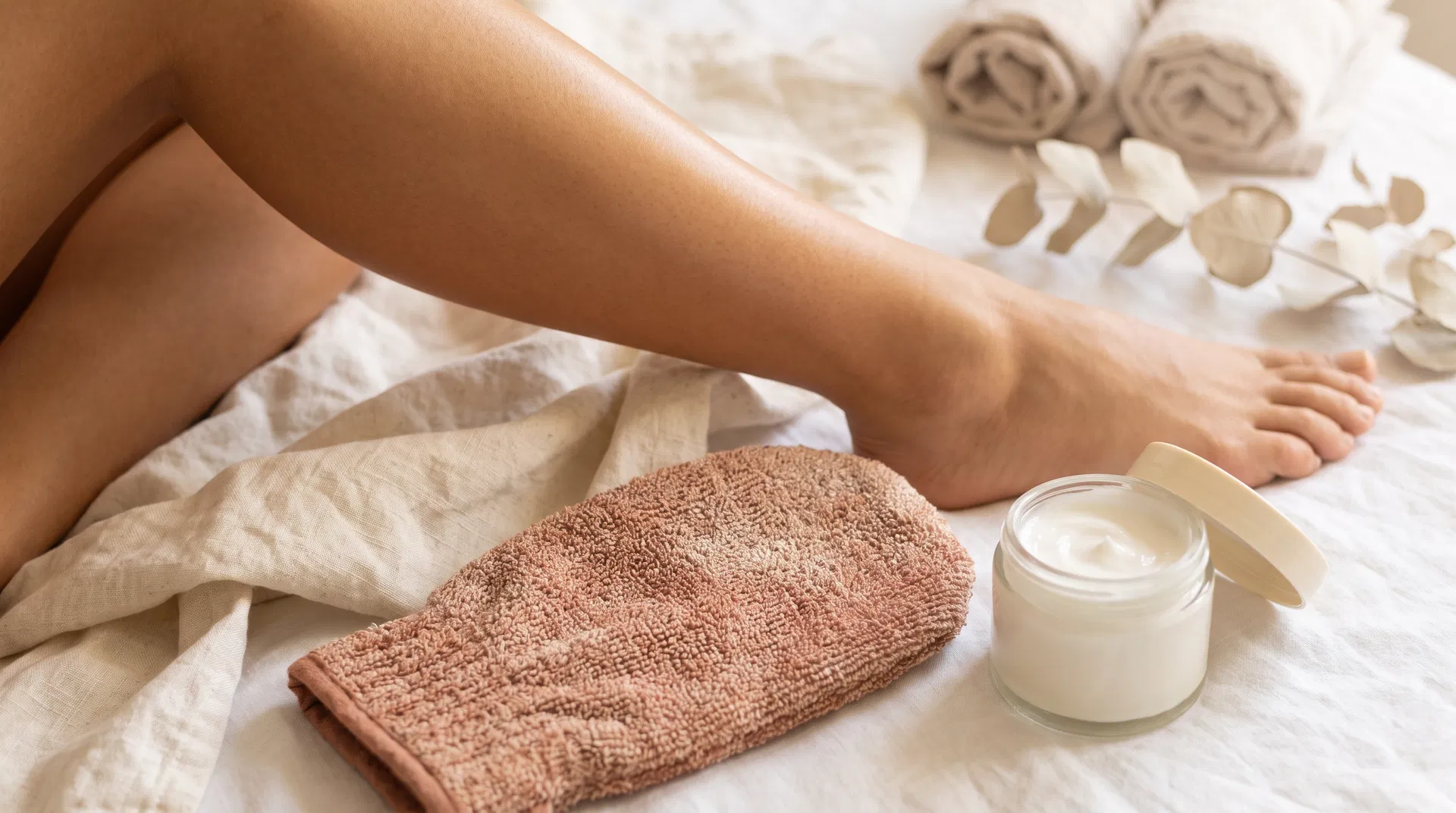
If there's one thing that frustrates people about hair removal of any kind, it's ingrown hairs — those little raised, sometimes tender bumps that show up where smooth skin is supposed to be. They're the number-one post-wax annoyance we hear about, and the good news is twofold: they're almost always preventable, and consistent waxing actually leaves you with fewer of them over time than shaving ever will.
We've been waxing Utah since 2007, and we coach every client on how to keep their skin smooth between appointments. Here's exactly why ingrown hairs happen, why waxing is your friend rather than your enemy here, and what you can do to stop them.
What an ingrown hair actually is
An ingrown hair is simple to picture once you know the mechanics: it's a strand of hair that grows back into your skin, or gets trapped just beneath the surface, instead of growing up and out through the follicle the way it's supposed to. The result is a small raised, often discolored bump — sometimes with a visible hair coiled underneath, sometimes red or darker than the surrounding skin, and sometimes a little itchy or sore.
Ingrown hairs are extremely common. Anyone who shaves, tweezes, or waxes can get them, and they tend to show up most in the areas people remove hair from regularly: the bikini line and inner thighs, the legs, the underarms, and (for men) the beard area. So if you've been getting them, you're not doing anything wrong and you're certainly not alone — this is one of the most common skin complaints there is.
Why they happen after hair removal
A few things have to line up for a hair to become ingrown, and understanding them tells you exactly how to prevent them.
Dead skin blocking the path. Your skin naturally sheds dead cells all the time. When too many of them build up on the surface, they can clog the top of the follicle and block a new hair from breaking through. Instead of emerging cleanly, the hair takes the path of least resistance — curling sideways or back down into the skin. This is the single most common reason ingrowns happen, and it's also the easiest to fix.
The hair's natural curl. The curlier or coarser your hair, the more likely it is to bend back toward the skin as it grows. This is just biology — people with thick, coarse, or curly hair are naturally more prone to ingrown hairs. It's not a flaw in your skin or your routine; some hair types simply need a little more help growing out straight.
Friction. Tight clothing, synthetic fabrics, and repeated rubbing can press growing hairs sideways and irritate the follicle, nudging hairs to grow in the wrong direction. This is a big reason the bikini area — snug underwear, leggings, activewear — is such a common spot.
Dryness. Dry, tight skin is harder for a new hair to push through than soft, supple, well-hydrated skin. When the surface is parched, hairs are more likely to get stuck.

"But doesn't waxing cause ingrowns too?"
Here's the honest answer, because we'd always rather be straight with you: yes, any form of hair removal — shaving, tweezing, and waxing — can lead to ingrown hairs. We're not going to pretend waxing is magic. But once you compare it fairly to shaving, waxing comes out well ahead, and here's why.
When you shave, you slice the hair off at the surface and leave behind a blunt, sometimes sharp-tipped end sitting right at skin level. That cut tip is primed to catch on the follicle wall or curl straight back into the skin — which is exactly why shaving is so strongly associated with ingrowns and razor bumps. You're also shaving every few days, so you're creating those blunt tips constantly.
Waxing works differently. It removes the entire hair from the root, so when a new hair grows back, it comes in with a soft, naturally tapered tip rather than a blunt cut edge. That finer point is far less likely to pierce back into the skin. On top of that, regular waxing gradually weakens the follicle, so over months your hair grows back finer and sparser — and finer hair is much less prone to becoming ingrown than thick, coarse regrowth. You also wax far less often than you'd shave, giving your skin more time to recover between sessions.
So the takeaway isn't "waxing never causes ingrowns." It's that waxing, done consistently and paired with a little aftercare, gives you dramatically fewer ingrowns than shaving over time. The people who switch from a razor to regular waxing almost always notice their skin getting clearer and smoother as the months go on.
Why ingrowns sometimes show up right after a wax
Occasionally a hair breaks off below the surface during removal, or the follicle gets briefly irritated, and a hair that's regrowing can't find its way out cleanly — especially if there's dead skin in the way. That's why the days after your wax matter so much: keeping the skin exfoliated and hydrated as your hair regrows is what clears the path and prevents the bump from forming in the first place. The wax itself isn't really the culprit; it's what happens during regrowth, and that part is squarely within your control.
Where ingrowns show up — and why each spot is prone
Ingrown hairs aren't random about location. They cluster in a few predictable areas, and knowing why helps you target your prevention.
The bikini line and inner thighs. This is the most ingrown-prone zone for most people, and it's a perfect storm: the hair is naturally coarse and often curly, the skin is delicate, and the area is under near-constant friction from underwear, leggings, and activewear. It also traps heat and moisture. If you're going to focus your exfoliation-and-moisture routine anywhere, focus it here.
The legs. Legs get ingrowns mostly because they're shaved so often by people who haven't switched to waxing yet — all those blunt regrowth tips. Once you're waxing consistently, leg ingrowns tend to drop off noticeably. Friction from tight jeans and boots can still play a role.
The underarms. Underarm hair grows in several different directions at once, which makes it easy for a regrowing hair to head sideways instead of straight out. The skin is thin and sensitive, and deodorant and tight sleeves add irritation. Gentle exfoliation and going easy on heavy antiperspirants right after a wax help here.
A few myths about ingrowns, cleared up
"Ingrowns mean my wax was done badly." Not really. Ingrowns mostly form during regrowth, in the days and weeks after your appointment, driven by dead skin and friction — not by the wax itself. Aftercare is where they're won or lost.
"If I just exfoliate harder, they'll go away." The opposite, actually. Aggressive scrubbing irritates the skin and can cause inflammation and dark spots, and it can even break hairs below the surface and create more ingrowns. Gentle and regular is the rule.
"I should pluck or dig out the hair." Please don't. Digging at an ingrown is the fastest way to turn a harmless bump into an infection or a scar. Let exfoliation and time do the work.
"Some people just can't avoid them." While certain hair types are more prone, almost everyone can dramatically reduce ingrowns with the right routine and consistent waxing. It's far more controllable than most people assume.
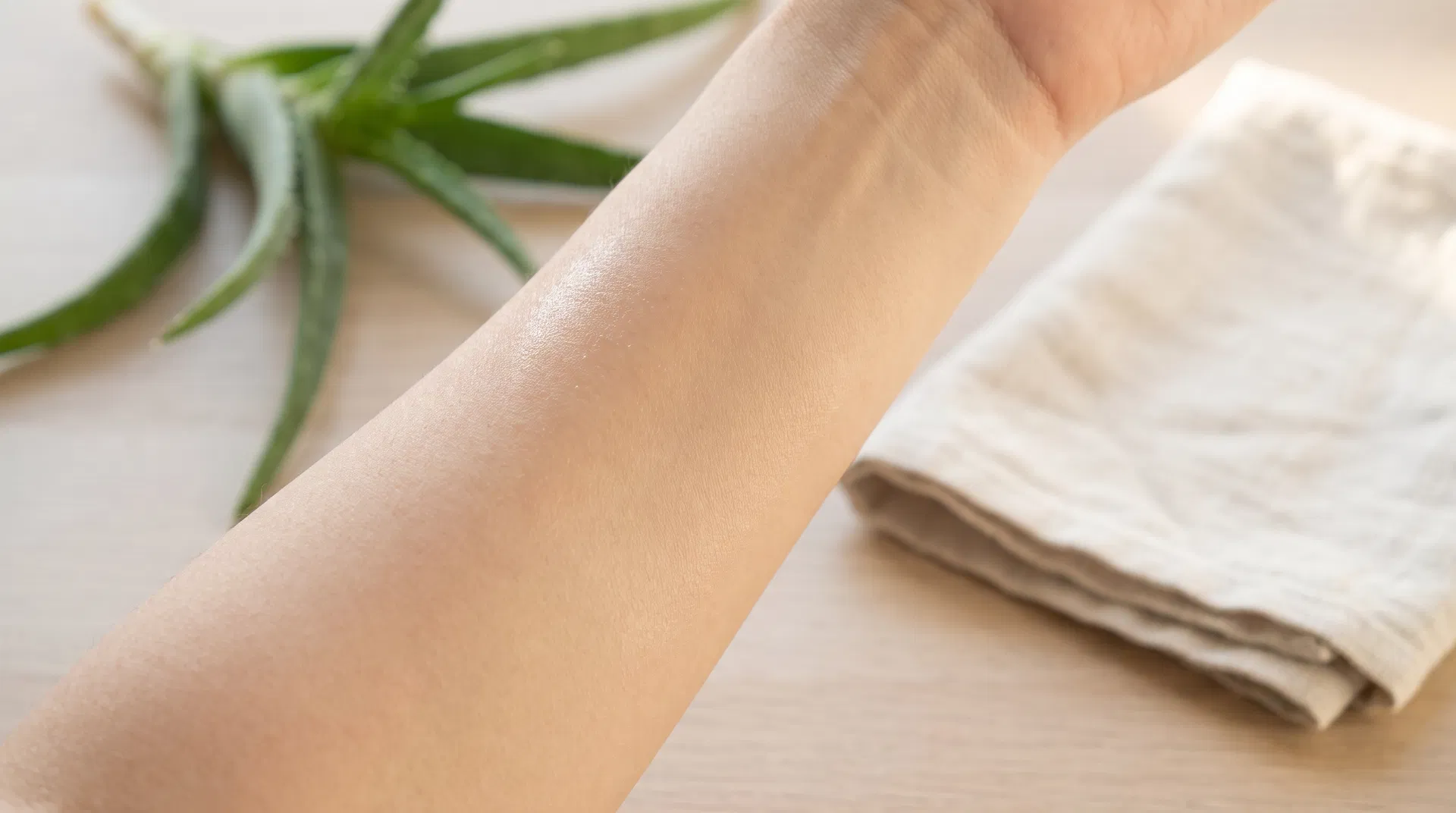
How to stop them: the short version
The full routine deserves its own deep dive — we've written a complete step-by-step guide to preventing ingrown hairs — but here's the essence:
- Exfoliate gently, two to three times a week. This is the big one. Sloughing away dead skin keeps the follicle clear so new hairs grow straight out. Use a soft washcloth, an exfoliating mitt, a gentle scrub, or a chemical exfoliant with salicylic or glycolic acid. Start a few days after your wax, not the same day.
- Moisturize daily. Soft, hydrated skin lets hairs push through easily.
- Don't shave between waxes. Reaching for the razor undoes the finer-regrowth benefit and reintroduces those blunt, ingrown-prone tips.
- Wear loose, breathable clothing, especially right after a wax, to cut down on friction.
- Stay consistent with your waxing schedule — every three to four weeks — so your hair stays on a synced cycle and grows in finer over time.
A quick but important caution: more is not better with exfoliation. Scrubbing too hard or too often actually irritates the skin and can cause inflammation and dark spots, so gentle and regular beats aggressive every time.
What not to do
When an ingrown hair appears, the temptation is to dig it out — please don't. Picking, squeezing, or digging at an ingrown with tweezers or a needle is how a minor bump turns into a real problem: it can introduce bacteria and lead to infection, and it frequently leaves behind scarring or a dark mark that lingers for months long after the hair itself is gone.
Most ingrown hairs resolve on their own within a week or two if you simply leave them alone and keep up gentle exfoliation and hydration to coax the hair out naturally. Patience genuinely is the better treatment here.
When it's more than a simple ingrown
Most ingrowns are harmless and clear up on their own. But occasionally one becomes inflamed or infected, or forms a fluid-filled cyst — a small lump under the skin at the site of the trapped hair. It's worth checking in with a healthcare provider or dermatologist if you notice an ingrown that's increasingly painful, filled with pus, warm and spreading, or simply isn't healing after a few weeks. These situations are uncommon and very treatable, but they're beyond what aftercare alone should handle.
How long until ingrowns improve after switching to waxing?
If you're coming from shaving, give it a few cycles. Your skin needs time to grow out the blunt, shaving-created tips and to start producing the finer, tapered regrowth that waxing encourages. Most people notice a real drop in ingrowns within the first two to four waxes — roughly two to three months of staying on schedule — as the hair thins and the cycles sync up. The first wax or two won't show the full benefit yet, so if you're early in the process and still seeing some ingrowns, that's expected; stick with it and pair it with the simple routine above. The trajectory is the point: clearer, smoother skin that keeps improving the longer you stay consistent.
How Wax Me Too helps keep you smooth
Preventing ingrowns is a partnership, and we take our half seriously. We use a single gentle, fragrance-free honey soft wax that removes hair cleanly while being kind to the skin around the follicle — which matters in sensitive areas prone to ingrowns. Our estheticians, who've been refining their craft since 2007, will talk you through the exact aftercare routine for your skin and the area you had waxed, so you leave knowing how to stay smooth. And because consistent waxing is what delivers that finer, sparser, less-ingrown-prone regrowth, we'll help you set a schedule — every three to four weeks — that keeps your results improving over time rather than resetting.
Stick with waxing, add a simple exfoliation-and-hydration habit, and put the razor down between appointments, and ingrown hairs go from a constant frustration to a rare exception.
Ready to make the switch — or get back on schedule? New clients can ask about our first-time Brazilian wax special when booking. Book online at any of our six Utah locations.
Find your nearest Wax Me Too studio:
Draper · Salt Lake City · South Jordan · Layton · Orem · St. George
Read Next
Wax Aftercare Do's and Don'ts: The Complete Guide to Post-Wax Skin Care
What you do in the 24–48 hours after your wax determines how good your skin looks and whether you stay smooth and bump-free. Here's the complete guide.
Related reading
- How to Prevent Ingrown Hairs After Waxing
- After Your Wax: The Do's and Don'ts of Aftercare
- Does a Brazilian Wax Hurt? What to Expect
Sources: Cleveland Clinic — Ingrown Hair: What It Looks Like, Causes, Treatment & Prevention; Cleveland Clinic — Ingrown Pubic Hair; American Academy of Dermatology — Hair removal; Integrative and Mechanistic Approach to the Hair Growth Cycle and Hair Loss, National Library of Medicine (PMC9917549). This article is general education, not medical advice. If an ingrown hair becomes painful, filled with pus, or doesn't heal within a few weeks, contact a healthcare provider or dermatologist.