Bumps After Waxing: What's Normal and What's Not
You hop off the table smooth and happy, glance down a little later, and… bumps. Cue the worry. Take a breath: the large majority of bumps that show up after a wax are completely normal, expected, and gone within hours to a day or two. But it's genuinely useful to know which bumps are nothing to think about, which need a little care, and which — rarely — are worth a call to a professional.
We've been waxing Utah since 2007, and "is this normal?" is one of the most common questions we get. Here's the honest, sourced breakdown so you can tell the difference with confidence.
First: why bumps happen at all
Waxing removes hair from the root, which briefly irritates the skin and leaves the follicle openings momentarily open. Your skin's natural response to that is a little inflammation — which is exactly what a bump is. In the vast majority of cases, that's all a post-wax bump is: a normal, temporary reaction to having hair pulled from the follicle. It's a sign your skin is doing what skin does, not a sign that something went wrong.
The trick is simply knowing the difference between that ordinary reaction and the less common situations that need more attention. So let's sort them.
Completely normal (and nothing to worry about)
Redness and warmth. Right after a wax, the area is often pink or flushed and may feel slightly warm. This is the most normal thing in the world and usually fades within a few minutes to a few hours, sometimes up to a day depending on how sensitive your skin is. More sensitive skin stays pink a bit longer — still normal.
Small raised bumps right after (a histamine-type response). Many people get tiny bumps, almost like goosebumps or a mild hive-like reaction, in the minutes and hours after waxing. This is your skin's natural inflammatory and histamine response to the follicles being stimulated. It looks a little alarming but it's harmless and typically settles within a few hours. People with sensitive skin see it more often. A cool compress and a gentle, fragrance-free soothing product help it calm down faster.
Mild tenderness. The waxed area can feel a bit tender or sensitive to the touch for a few hours. Normal, and it passes quickly.
A few stray bumps days later as hair regrows. Occasionally a small bump appears a few days after as a hair works its way back to the surface — usually an early ingrown that gentle exfoliation will resolve. Common and manageable.
All of these share the same pattern: they're mild, they show up soon after your wax (or as hair regrows), and they fade on their own within hours to a couple of days. If that's what you're seeing, you can relax and let your skin do its thing — just keep the area clean and cool and skip anything harsh.
Needs a little care (but usually still fine)
Folliculitis. Sometimes the freshly opened follicles get irritated or pick up bacteria and react with small, acne-like, sometimes pus-topped bumps clustered in the waxed area — this is folliculitis. It can look like a little patch of whiteheads or a breakout. It's a known, fairly common post-wax possibility, and mild cases usually clear up on their own within several days to a week or so with gentle care: keep the area clean, apply a warm compress a few times a day, wear loose clothing, and don't pick at it. An over-the-counter antibacterial wash can help. Avoid waxing or shaving that spot again until it's fully healed.
This is also exactly why post-wax aftercare matters so much in the first 24 to 48 hours: skipping hot tubs, pools, heavy sweating, tight clothing, and touching the area gives those open follicles time to close and dramatically lowers the chance of folliculitis in the first place.
Early ingrown hairs. Bumps that appear in the days after your wax, sometimes with a hair visible underneath, are usually ingrowns forming as hair regrows. Gentle exfoliation (once initial sensitivity has passed) and moisturizing resolve most of them within a week or two. As always — don't dig at them.
Worth paying attention to: an allergic or contact reaction
Less commonly, skin reacts to a product rather than to the waxing itself — an ingredient in the wax, a pre- or post-wax product, or a fragrance. A true contact reaction tends to look different from ordinary post-wax bumps: think a more widespread rash, persistent itching, raised welts or hives spreading beyond just the follicles, or noticeable swelling, and it often doesn't settle within the usual few hours.
This is one reason we use a single, gentle, fragrance-free honey soft wax — fragrance is a common irritant, and removing it lowers the odds of a reaction. If you know you have sensitive skin or have reacted to products before, tell your esthetician; we can talk through it and take extra care. If you ever experience a reaction that's spreading, intensely itchy, or involves swelling, stop using any new products on the area and contact a healthcare provider.
A normal post-wax timeline
It helps to know roughly how a normal reaction unfolds, so you can match what you're seeing against what's expected.
The first few minutes to a couple of hours. Pinkness, warmth, and possibly small goosebump-like or hive-like bumps (the histamine-type response). This is the peak of the normal reaction, and it's already starting to fade by the end of this window. A cool compress speeds it along.
The rest of day one. Redness continues to settle; the area may feel slightly tender. Most people look essentially normal by bedtime, though very sensitive skin can stay a little pink longer.
Days two to three. Skin should look and feel calm. This is when you keep things gentle — loose clothing, no harsh products, no exfoliating yet — while the follicles finish closing.
Days three onward. Skin is back to normal and ready for your maintenance routine. This is when you start gentle exfoliation a couple of times a week to head off ingrowns as hair begins to regrow.
If what you're seeing follows roughly this arc — intense-ish right after, calmer by the next day, normal within a couple of days — you're squarely in normal territory. It's when bumps worsen over days instead of improving that it's worth a closer look.
What's "normal" also depends on where you waxed
Different areas behave differently, so calibrate your expectations to the zone:
Bikini and Brazilian. The most reaction-prone area — expect more redness and more of those temporary bumps than elsewhere, and a slightly longer settle time. It's also the most prone to folliculitis and ingrowns, which is why aftercare matters most here. Loose cotton underwear and skipping the gym and pool for a day or two make a real difference.
Underarms. Thin, sensitive skin that often reacts with temporary bumps, and hair that grows in several directions, so a few stray ingrowns later are common. Hold off on deodorant for about 24 hours to avoid stinging freshly waxed skin.
Legs. Generally the calmest — usually just brief redness. Ingrowns here are most often a leftover from prior shaving and fade as you stay on a waxing schedule.
Face (lip, chin, brows). Delicate and visible, so redness shows more but typically fades fast. Be gentle, skip heavy makeup right over the area for a few hours, and avoid strong actives for a few days.
When to call a professional
Most post-wax bumps never need a doctor. But it's worth getting professional eyes on your skin if you notice any of the following, which point to a possible infection or something beyond ordinary irritation:
- A bump or area that becomes increasingly painful, hot, or rapidly spreading rather than settling.
- Significant pus, or a lump forming under the skin (an ingrown can occasionally develop into a cyst that needs treatment).
- Bumps that won't clear after a couple of weeks of gentle care, or that keep recurring in the same spot.
- Any fever along with the skin symptoms.
These situations are uncommon, very treatable, and exactly what a healthcare provider or dermatologist is there for. Getting them looked at early — rather than picking at them or waiting — is the fastest route back to clear skin and avoids scarring.
What to do for normal bumps (a simple soothing routine)
For the everyday redness-and-bumps that follow a normal wax, gentle is the whole strategy:
- Cool it down. A cool (not ice-cold) compress or a quick cool rinse calms redness and that histamine-type bumpiness.
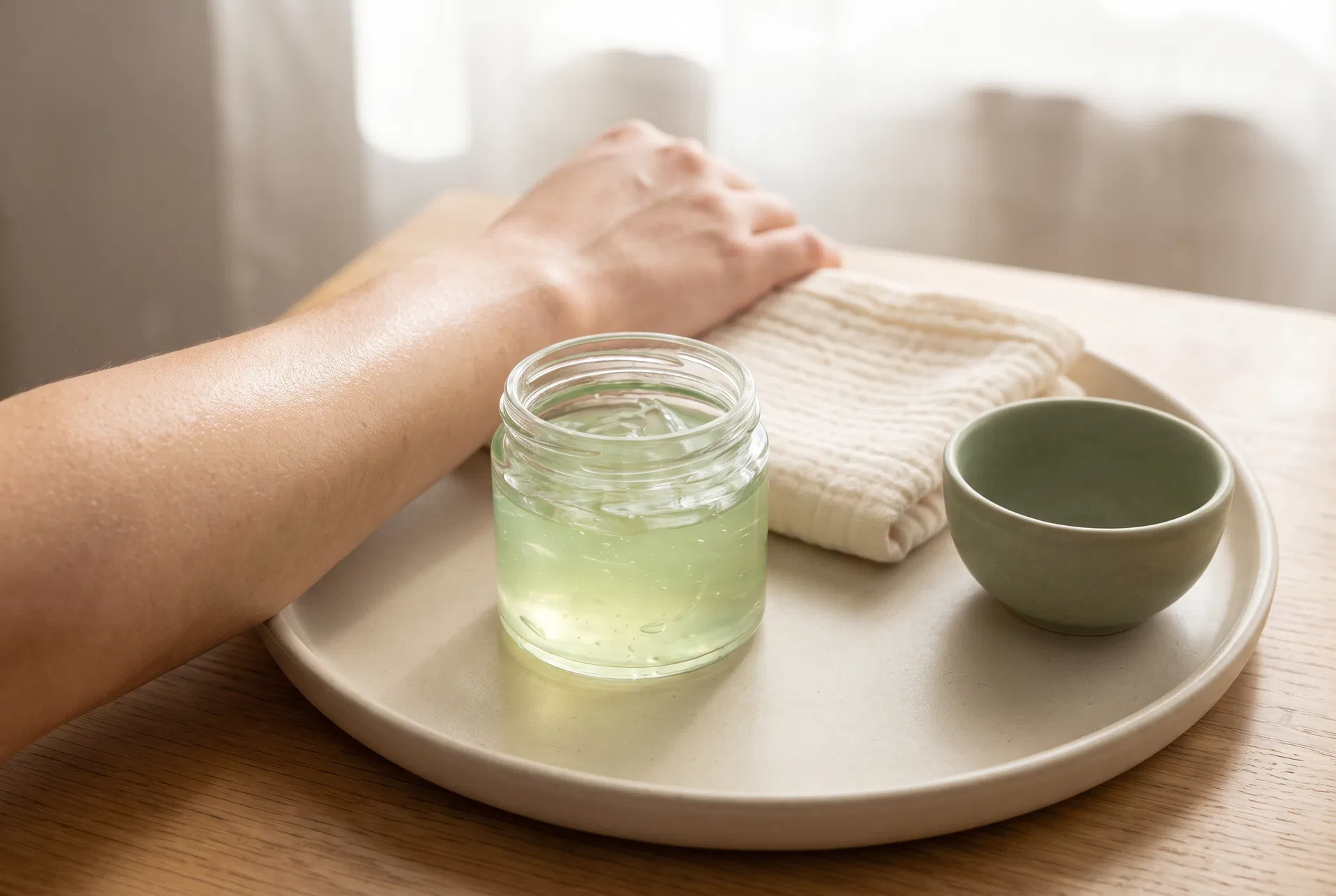
- Soothe, don't slather. A little pure aloe vera gel or a gentle, fragrance-free moisturizer helps. Skip heavy, perfumed, or active-ingredient products on freshly waxed skin.
- Keep it clean and dry, and pat — don't rub — with a clean towel.
- Wear loose, breathable clothing for the first day or two to reduce friction.
- Hands off. Don't scratch, pick, or exfoliate immediately. Let the skin settle first; resume gentle exfoliation a few days later to head off ingrowns.
Follow that, and normal post-wax bumps fade on their own without any drama.
Common questions about post-wax bumps
Why do I get more bumps than my friend who waxes? Skin sensitivity varies a lot from person to person. Some people barely react; others get noticeable redness and bumps every time and still have completely healthy skin. More reaction doesn't mean anything is wrong — it just means your skin is more responsive. Sensitive skin also tends to calm down a bit as you wax regularly and your skin adjusts.
Will these bumps scar? Normal post-wax redness and bumps don't scar — they fade without a trace. The thing that does cause scarring and dark marks is picking, squeezing, or digging at bumps and ingrowns. So the best scar-prevention is simply leaving your skin alone and letting it settle.
Can I work out with post-wax bumps? It's best to skip heavy, sweaty exercise for the first 24 to 48 hours, because sweat and friction can irritate open follicles and increase the odds of folliculitis. Gentle movement is fine; a hard, sweaty session is what to postpone.
Do bumps mean I'm allergic to the wax? Almost never. Ordinary post-wax bumps are a normal irritation response, not an allergy. A true allergic or contact reaction looks different — a spreading rash, persistent itching, hives, or swelling — and is uncommon, especially with a gentle, fragrance-free wax.
Should I exfoliate to get rid of them faster? Not right away. Don't exfoliate freshly waxed skin; wait a few days until it's settled, then resume gentle exfoliation to prevent ingrowns as hair regrows. Immediately scrubbing irritated skin makes redness worse.
Why your wax itself matters here
A lot of "is this normal?" anxiety comes down to the quality and gentleness of the wax and technique. Harsh waxes, fragrance, overly hot wax, or rushed technique all increase irritation. We use one gentle, fragrance-free honey soft wax and a refined, efficient technique — and a fast Brazilian, around 15 minutes, means less time with skin under stress. Our estheticians have been doing this in Utah since 2007, and part of every appointment is sending you home knowing exactly what's normal for your skin and how to care for it.
If you've had a lot of irritation after waxing elsewhere, that's often a sign of product or technique, not that waxing isn't for you. The combination of a gentle wax, an unhurried but efficient esthetician, and good aftercare is usually the difference between "bumpy and red for a day" and "barely a reaction at all."
Ready for a smoother, calmer wax? New clients can ask about our first-time Brazilian wax special when booking. Book online at any of our six Utah locations.
Find your nearest Wax Me Too studio:
Draper · Salt Lake City · South Jordan · Layton · Orem · St. George
Read Next
Wax Aftercare Do's and Don'ts: The Complete Guide to Post-Wax Skin Care
What you do in the 24–48 hours after your wax determines how good your skin looks and whether you stay smooth and bump-free. Here's the complete guide.
Related reading
- After Your Wax: The Do's and Don'ts of Aftercare
- Ingrown Hair, Folliculitis, or Razor Bump? How to Tell the Difference
- Why You Get Ingrown Hairs After Waxing — and How to Stop Them
Sources: Cleveland Clinic — Folliculitis: Appearance, Causes, Symptoms & Treatment; Mayo Clinic — Folliculitis: Symptoms & causes / Diagnosis & treatment; Cleveland Clinic — Ingrown Hair Cyst; American Academy of Dermatology — Hair removal. This article is general education, not medical advice. If a reaction spreads, is intensely itchy, involves swelling, produces pus, or doesn't heal, contact a healthcare provider.